Leadership Structure
Amaudara Community operates under a dual governance system that combines traditional leadership with modern administrative structures. This approach ensures that our cultural heritage is preserved while effectively addressing contemporary community needs.
Traditional Leadership
The traditional leadership structure of Amaudara is rooted in Igbo customs and has been maintained for generations. This structure ensures that cultural practices are respected and that decisions are made with the community's best interests at heart.
The Council of Village Heads
At the apex of traditional governance is the Council of Village Heads, comprising the traditional rulers of the four villages:
- Chief of Umezealake - Traditional Head of Umezealake Village
- Chief of Umuome - Traditional Head of Umuome Village
- Chief of Umuezealiuhu - Traditional Head of Umuezealiuhu Village
- Chief of Umuota - Traditional Head of Umuota Village
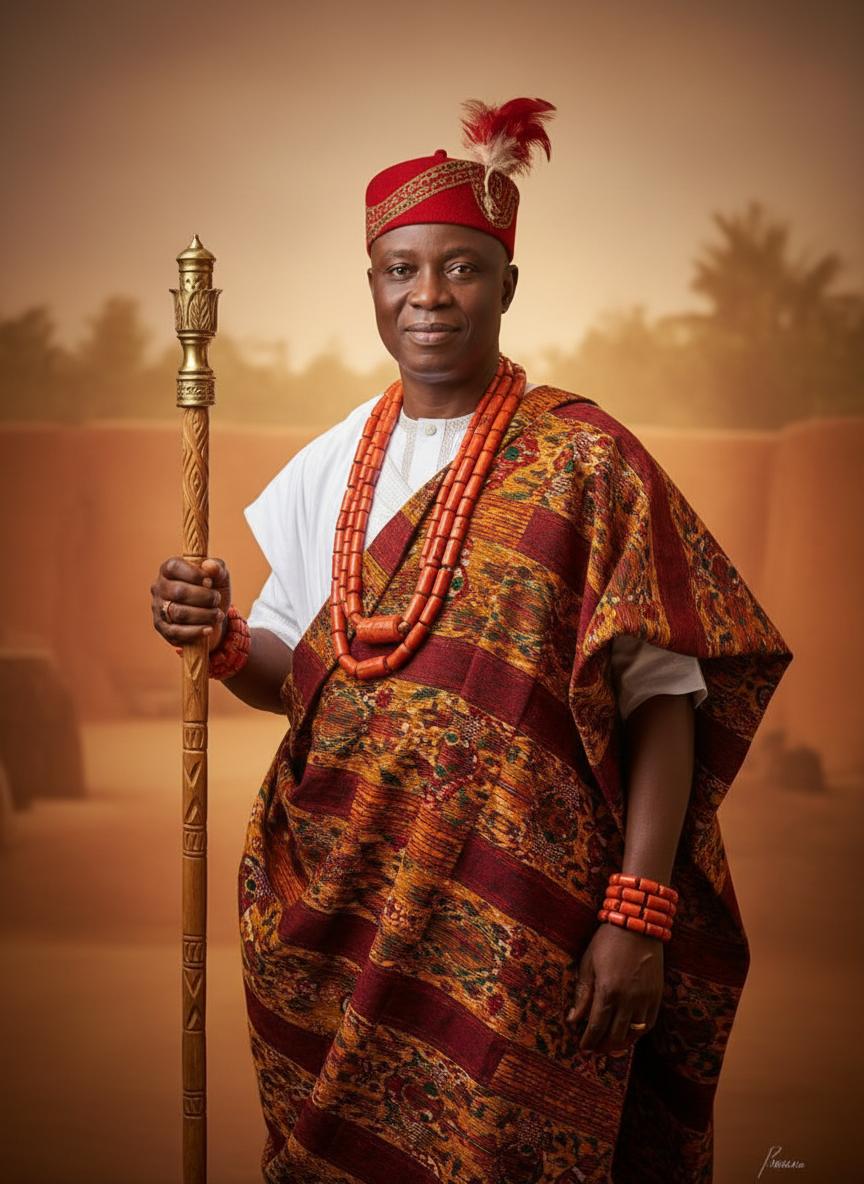
Chief [Name]
Umezealake Village HeadChief [Name]
Umuome Village HeadChief [Name]
Umuezealiuhu Village HeadChief [Name]
Umuota Village HeadCouncil of Elders (Ndi Ichie)
Each village has a Council of Elders (Ndi Ichie) who serve as advisors to the village head and play crucial roles in:
- Preserving traditional customs and practices
- Settling disputes according to customary law
- Advising on community matters
- Representing family interests
- Passing down oral history and traditions
Youth Leadership
The youth of Amaudara are represented through youth leaders in each village who:
- Coordinate youth activities and development projects
- Bridge the gap between generations
- Implement community service initiatives
- Represent youth interests in community decisions
Women's Leadership
Women play a vital role in Amaudara's governance through:
- Women's associations in each village
- Umuada (daughters of the community) who maintain ties to their natal villages
- Representation in community development discussions
- Leadership in cultural and social affairs
Modern Administrative Structure
In addition to traditional leadership, Amaudara operates within the framework of modern Nigerian local government administration:
Community Development Association (CDA)
The Amaudara Community Development Association serves as the formal body coordinating development efforts:
- President: [Name]
- Vice President: [Name]
- Secretary: [Name]
- Treasurer: [Name]
- Public Relations Officer: [Name]
Committees
Various committees handle specific aspects of community governance:
- Education Committee: Oversees school affairs and educational initiatives
- Security Committee: Coordinates community safety measures
- Development Committee: Plans and executes infrastructure projects
- Cultural Committee: Preserves and promotes traditional practices
- Health Committee: Addresses community health matters
Decision-Making Process
Decisions in Amaudara are made through a collaborative process that involves:
- Village Level Consultation: Issues are first discussed at the village level
- Council of Chiefs Meeting: Village heads convene to discuss community-wide matters
- Community Assembly: Major decisions are presented to the general community
- Implementation: Approved decisions are executed by relevant committees
Dispute Resolution
Amaudara maintains traditional dispute resolution mechanisms:
- Family level mediation for minor disputes
- Village elder councils for more serious matters
- Inter-village councils for disputes between villages
- Appeal to the Council of Chiefs for unresolved cases
Governance Principles
- Consensus-building through dialogue
- Respect for traditional authority
- Inclusion of all community segments
- Transparency in decision-making
- Accountability to the community